
A nominal width and length do not define whether an aluminium apron cover will fit, seal, travel reliably or survive your machine’s coolant, chips and motion profile. By the end, you will have the measurements, material data, operating limits and acceptance checks needed for a complete supplier request.
Key takeaways
- Name the alloy, temper, slat thickness, finish and corrosion treatment.
- Measure both the fully extended and fully retracted cover envelopes.
- Specify motion, guidance, mounting points and operating speed.
- Define joint sealing limits and inspect dimensions before acceptance.
Specify the Aluminium, Finish and Operating Environment
“Aluminium” is incomplete: your specification must name the alloy grade, temper, slat thickness, visible face width or pitch, hardness, surface finish and corrosion treatment. Use a written aluminium apron cover for specifications sheet covering these aluminium apron cover materials, plus hinge or connector metal and wear strips.
Disclose the operating environment before choosing the slat and wiper construction:
- Dry chips; abrasive cast-iron or carbide chips; chip temperature, size, shape and volume.
- Flood coolant, oil, alkaline cleaners and wash-down chemicals, including concentrations where known.
- Heat, sparks, hot chips and welding spatter.
- Adjacent steel, stainless steel or copper parts, because dissimilar-metal contact can cause galvanic corrosion.
- Required chip deflection, scraping and drainage.
| Finish or treatment | What to confirm | Risk if unspecified |
|---|---|---|
| Anodised | Treatment type, thickness and chemical compatibility limits | Staining, pitting or coating damage |
| Coated | Coating material, preparation, temperature and cleaner limits | Peeling or loss of protection |
| Untreated | Alloy, temper and exposed-environment limits | Faster marking or corrosion |
Require the supplier to state compatibility limits, not just offer “anodised” or “coated.” Chip temperature, sharpness and volume determine whether slats and wipers need greater thickness, hardness or a separate scraper.
Aluminium is the wrong choice for severe impact, hot sparks, welding spatter or a continuous liquid-tight flexible barrier unless the proposed construction has been tested for those conditions. Ask for test evidence and compare steel, stainless steel or another barrier design.
Measure the Full Extended and Retracted Envelope
The opening width alone cannot define workable aluminium apron cover dimensions. Measure the machine in this sequence:
- Record the protected guideway width and its profile, including steps, rails and side shoulders.
- Measure total travel or extension from fully retracted to fully extended.
- Measure apron height and the required mounting width.
- Measure available installation height and depth around the guideway.
- Record the retracted or folded package length and folded height.
- Mark the fixing-hole pattern, mounting faces and end-bracket locations.
- Establish datum points and measure clearance from each side of the guideway.
- State the movement direction and whether the cover travels toward or away from the drive.
Ask for an envelope drawing showing both extended and retracted states. It must show overlap, slat pitch, end brackets and clearances to tool changers, workholding, access doors, service areas and the machine’s full work envelope.
A cover that fits the opening can still strike a tool changer after retraction; folded height and package length are layout dimensions, not minor details.
Identify the orientation as horizontal, vertical, upside down or inclined. Gravity changes the support arrangement, drainage, chip evacuation and return arrangement, so a horizontal design cannot be transferred to a vertical axis without checking those features. Mark every interference zone on the drawing before production.
Define Motion, Guidance and Mounting Details
Travel speed, acceleration, stroke length, cycle frequency, reversal frequency, direction of travel and expected operating hours determine whether machine apron cover details will survive actual use rather than only static measurement.
Provide these operating values to the supplier, then request stated limits for:
- Maximum speed and acceleration
- Allowable slat deflection
- Minimum bend radius
- Noise level
- Expected cycle life
Distinguish static dimensions from dynamic loads. Acceleration and rapid reversals increase hinge, connector, carrier and drive loads; sizing only for steady travel can cause rattling, buckling, derailment or premature failure.
| Static requirement | Dynamic requirement | Failure if overlooked |
|---|---|---|
| Guideway width and mounting-hole pattern | Acceleration and reversal loads | Misalignment or overloaded fasteners |
| Slat pitch, bend radius and package length | Allowable deflection and cycle life | Binding, buckle or connector fatigue |
| Side clearance and end-stop position | Reversal noise and impact | Derailment or collision |
Specify guide rails, guide shoes or rollers, side clearances, end stops, the carrier or drive connection and the mounting-hole pattern. Record end brackets, support points, return or drive arrangements and drainage paths.
Parallel guideways are essential. If the machine structure lets the two sides move out of alignment, slats can bind, buckle, derail or overload their hinges before the cover reaches full stroke. State whether the apron runs horizontally, vertically, upside down or on an incline, because orientation changes support, drainage, chip evacuation and return forces.
Check Slat Joints, Seals and the Limits of Protection
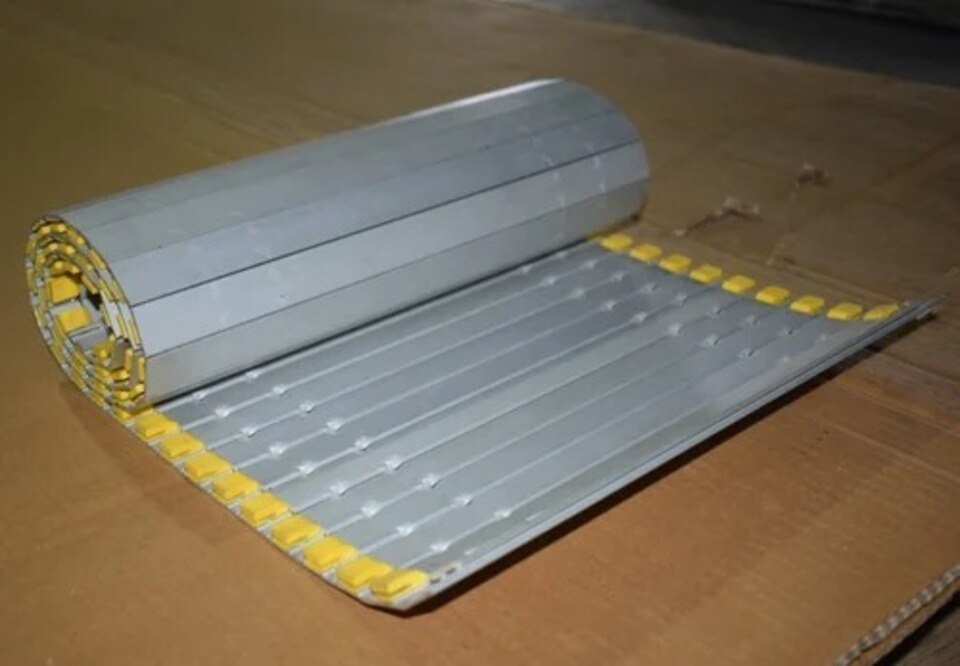
A rolling aluminium apron closes around a guideway through overlapping, individually profiled slats linked by hinges or flexible connectors—not through one continuous aluminium sheet. The joint design controls flexibility, chip retention and leakage; open side gaps or slat joints do not support a liquid-tight claim unless the supplier specifies and tests the sealing arrangement.
Specify these machine apron cover details before approval:
- Slat profile, thickness, visible face width or pitch, hinge or connector material, overlap, wear-strip material, minimum bend radius and the replacement method for one damaged slat.
- Wiper or seal material, contact pressure, replaceability, corner treatment and expected leakage path. Ask whether coolant exits at the sides, corners, joints or retraction end.
- State which aluminium apron cover materials face dry chips, abrasive cast-iron or carbide chips, flood coolant, oil, sparks or spatter; hot sparks and severe impact can require a deflector or another tested construction.
| Option | Flexibility and access | Impact and sealing |
|---|---|---|
| Telescopic steel cover | Rigid telescoping sections; limited flexibility and service access | Strong impact resistance; engineered overlaps handle coolant better |
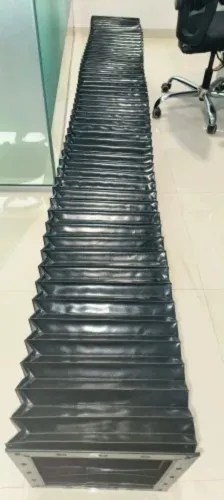
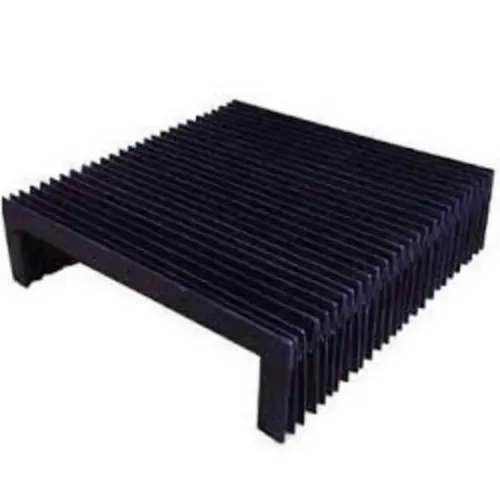
| Fabric or laminated bellows | High flexibility; broad access when retracted | Flexible barrier, but sparks, abrasion and sealing details need verification |
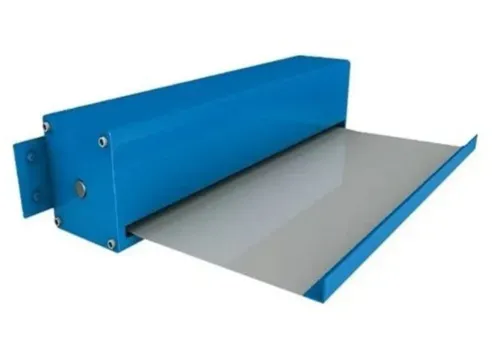
| Guideway wipers | Simple, accessible edge contact | Removes chips and coolant; does not cover an open span |
| Aluminium apron | Flexible slats; individual replacement is practical | Moderate protection; a fully sealed barrier requires documented testing |
An apron is not automatically a personnel safety guard. Use separate safeguarding for hazardous access.
Turn the Requirements into a Supplier Drawing and Acceptance Check
A nominal width and length cannot prove that an apron will fit or survive. Use this request-for-quotation checklist for aluminium apron cover specifications:
1. Send the machine drawing with guideway width and profile, apron height, total travel, mounting width, available height and depth, extended and retracted envelopes, movement direction, horizontal, vertical, inverted or inclined orientation, mounting points, end brackets, fixing-hole pattern and datum points. Add clearance to tool changers, workholding, access doors and service areas.
Include travel speed, acceleration, stroke, cycle frequency, reversal frequency, coolant and cleaning chemistry, chip size, shape and volume, heat, sparks and welding-spatter exposure, plus required access for replacing a damaged slat.
2. Ask for aluminium apron cover dimensions on a drawing showing the full-stroke and folded states, overlap, slat pitch, retracted package length, bend radius and all interfaces.
Require machine apron cover details in a written schedule: alloy grade, temper, thickness, finish, corrosion treatment, hinge or connector material, wear strips, wipers, seals, guides, allowable deflection, speed, acceleration, noise and cycle-life limits.
3. Before acceptance, run full stroke and confirm retraction clearance, guide alignment, fixing-hole fit and interference-free movement. Check reversal noise or impact, coolant leakage, continuous wiper contact and damaged-slat replacement access.
Kalavijay Engineering can be asked to answer against this same checklist when a Coimbatore buyer compares fabrication options; documented fit and stated limits matter more than “aluminium” alone.
Related product
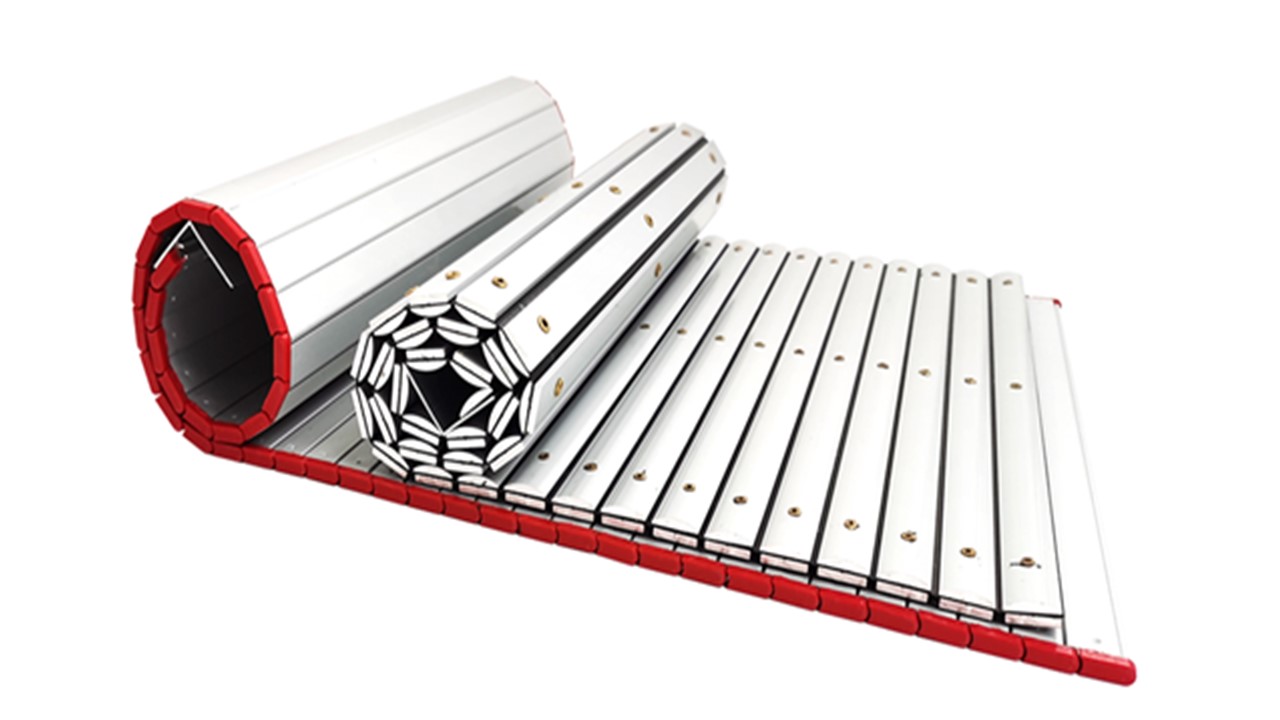 | Aluminium Apron Cover Protect your machine tool guide surface with the Aluminum Curtain from Kalavijay Engineering Machine Tool Accessories Producing Co., Ltd. View product → |
Frequently asked questions
Which aluminium apron cover materials and finishes should you specify?
Name the aluminium alloy grade, temper, slat thickness, visible face width or pitch, hardness, surface finish and corrosion treatment. Also identify hinge or connector metal and wear-strip material.
What aluminium apron cover dimensions must you provide?
Provide the full extended length, retracted length, width, height, clearance, travel and available mounting envelope. Include the cover’s dimensions at both motion extremes.
What machine apron cover details affect motion and installation?
State travel direction, speed, acceleration, guidance method, mounting points, support conditions and any restrictions from adjacent machine parts.
What protection limits should you confirm before ordering?
Define the chips, dust, coolant, oil, sparks, heat and mechanical contact the cover must resist. Confirm how slat joints, seals and wear strips handle those conditions.