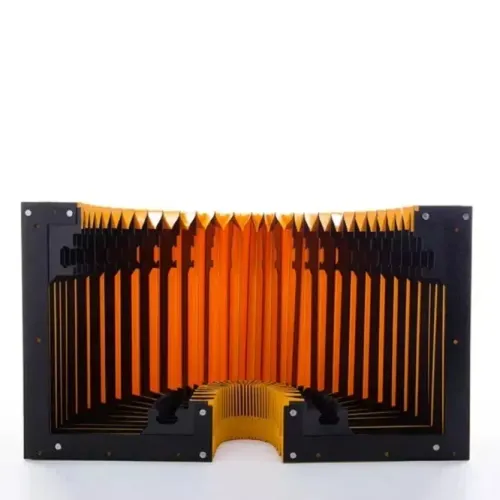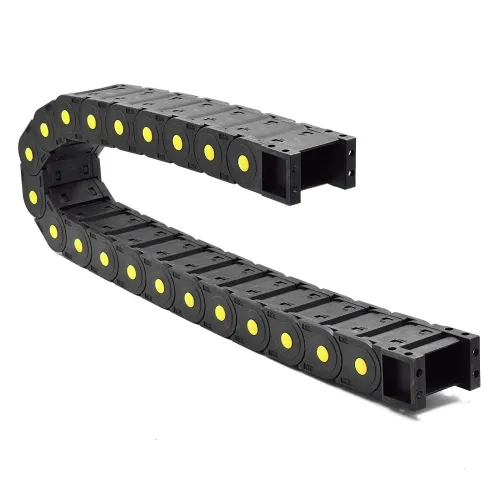

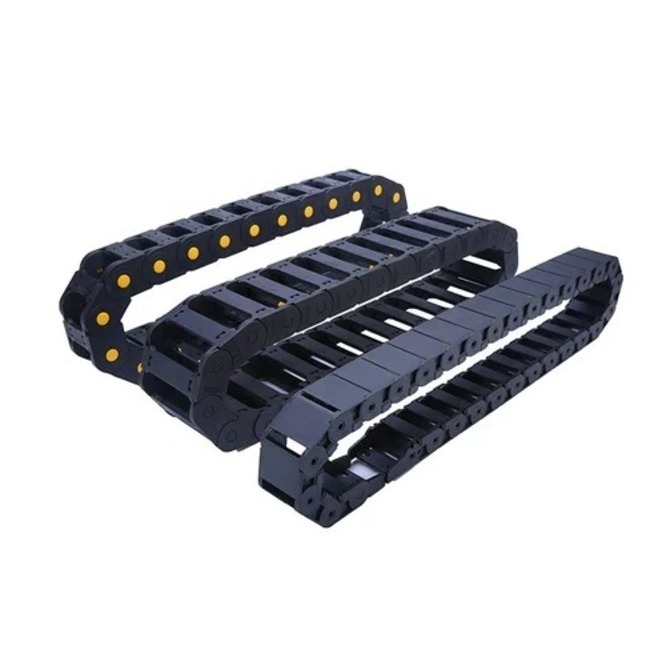
A Plastic Cable Drag Chain is commonly used where electrical cables, data lines, pneumatic tubes, or other flexible services need to travel repeatedly with a moving machine component. Instead of allowing these lines to hang freely, the chain organizes them into a controlled moving path. This can make machine layouts cleaner while reducing uncontrolled bending and interference.
Plastic drag chains are used across many types of industrial equipment. Typical applications include CNC machines, automation equipment, packaging machinery, material handling systems, cutting machines, assembly lines, and special-purpose machines.
One reason plastic chains are widely considered is their combination of relatively low weight and flexible configuration. Depending on the design, individual links may allow access for cable installation or maintenance. Different internal sizes and bending radii also make it possible to adapt the carrier to specific machine layouts.
A good selection process should consider more than the outside dimensions of the chain. Engineers should examine the complete moving cable package.
Questions worth answering include:
How many cables and hoses need to be carried?
What are their outside diameters?
What minimum bending radius does each cable require?
How far will the machine travel?
At what speed and frequency will the chain move?
Is the environment exposed to chips, dust, oil, or coolant?
Is separation required between different cables or hoses?
Overfilling is one of the easiest ways to create an unsuitable arrangement. Cables need reasonable clearance within the chain. If they are packed tightly, they may rub against each other or have limited freedom to adjust during movement.
Another consideration is cable suitability. A drag chain can guide movement, but it cannot compensate for a cable that is not designed for repeated flexing. Where continuous movement is expected, the cable specification and the carrier design should be considered together.
Coimbatore's industrial landscape includes machine builders, component manufacturers, automation companies, textile machinery businesses, fabrication units, and engineering workshops. Across Tamil Nadu, increasing use of automated equipment has made organized cable routing increasingly relevant to machine design and maintenance.
Plastic drag chains should also be inspected periodically. Broken links, unusual noise, excessive sagging, cable abrasion, and restricted movement can indicate that the installation requires attention.
For industrial users evaluating cable protection in Coimbatore, Kalavijay Engineering provides solutions suited to machine movement and application requirements. Choosing a plastic cable drag chain around actual cable load, bend radius, travel, and operating conditions helps create a more practical system than selecting a carrier purely by external size.