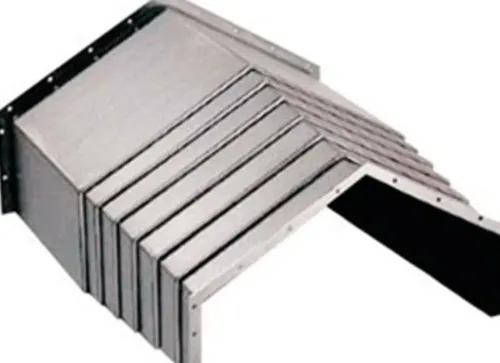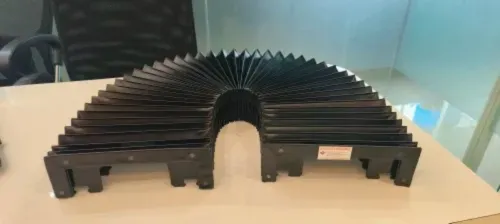

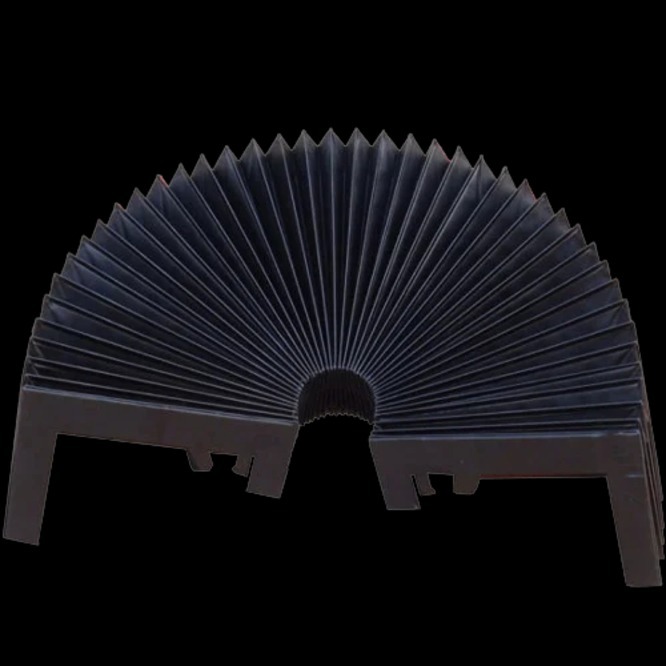
Trumpf Laser Machine Bellow Cover solutions are used where flexible protection is required for moving machine components. In laser processing environments, mechanical parts can be exposed to dust, particles, heat, and other operating contaminants. Protecting those components helps create a cleaner and more controlled mechanical environment.
The interesting thing about a bellow is that it has two jobs at once. It must protect the machine while allowing the machine to move.
That sounds straightforward, but achieving both requires careful attention to design.
Laser equipment typically operates with controlled movement along specific axes. Protective bellows therefore need to accommodate the complete travel range without restricting motion. If the cover is incorrectly sized, it may fold improperly, stretch unnecessarily, or interfere with surrounding machine components.
This is why replacement requirements should be treated as technical requirements rather than ordinary spare-part purchases.
For a Trumpf machine, procurement teams should ideally record the machine model, dimensions, existing cover size, mounting arrangement, and movement range. Photographs can also help suppliers understand the physical installation.
Kolhapur's engineering ecosystem includes manufacturers that work with CNC, laser, fabrication, and automated machinery. In these environments, machine uptime matters because production activities are often interconnected. When one piece of equipment stops unexpectedly, downstream schedules may also be affected.
A protective bellow is not a substitute for preventive maintenance, of course. It is one element within a larger maintenance system.
Operators should still inspect guideways, moving assemblies, mounting brackets, cables, and protective components regularly. A damaged bellow should not simply be ignored because the machine continues to run. Once the protective barrier is compromised, contaminants may reach the components it was intended to shield.
The right response is usually straightforward: identify the cause, inspect the surrounding machine area, and determine whether the cover needs repair or replacement.
Sometimes premature bellow damage is related not to the material itself but to installation conditions. Sharp edges, incorrect mounting, insufficient clearance, or an unsuitable fold arrangement can create additional stress.
This is why application information is so valuable.
Kalavijay Engineering works around machine-protection requirements such as bellows, telescopic covers, drag chains, and related industrial protective systems. For users sourcing a Trumpf laser machine bellow cover, discussing the actual application can help establish the dimensions and design requirements before manufacturing or replacement.
There is also a practical benefit to maintaining accurate records. If a machine has several protective covers, keeping drawings, dimensions, photographs, and replacement history can make future procurement much faster.
For procurement managers, this small step can improve continuity. Instead of measuring everything again during an urgent breakdown, the required information is already available.
The goal is simple: protect the machine without disturbing its normal operation.
A bellow cover should move smoothly, remain securely mounted, and provide appropriate coverage throughout the machine's operating range. When these basic principles are considered during selection, the component becomes more than an accessory—it becomes part of the machine's protection strategy.
For businesses in Kolhapur using Trumpf laser equipment, a careful review of the existing cover and its working conditions can be a sensible starting point when planning replacement or new protection.