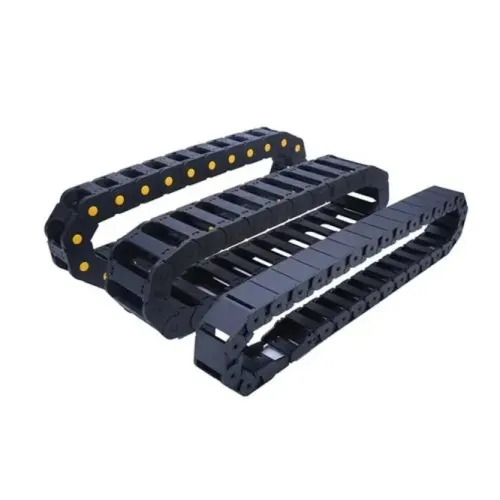

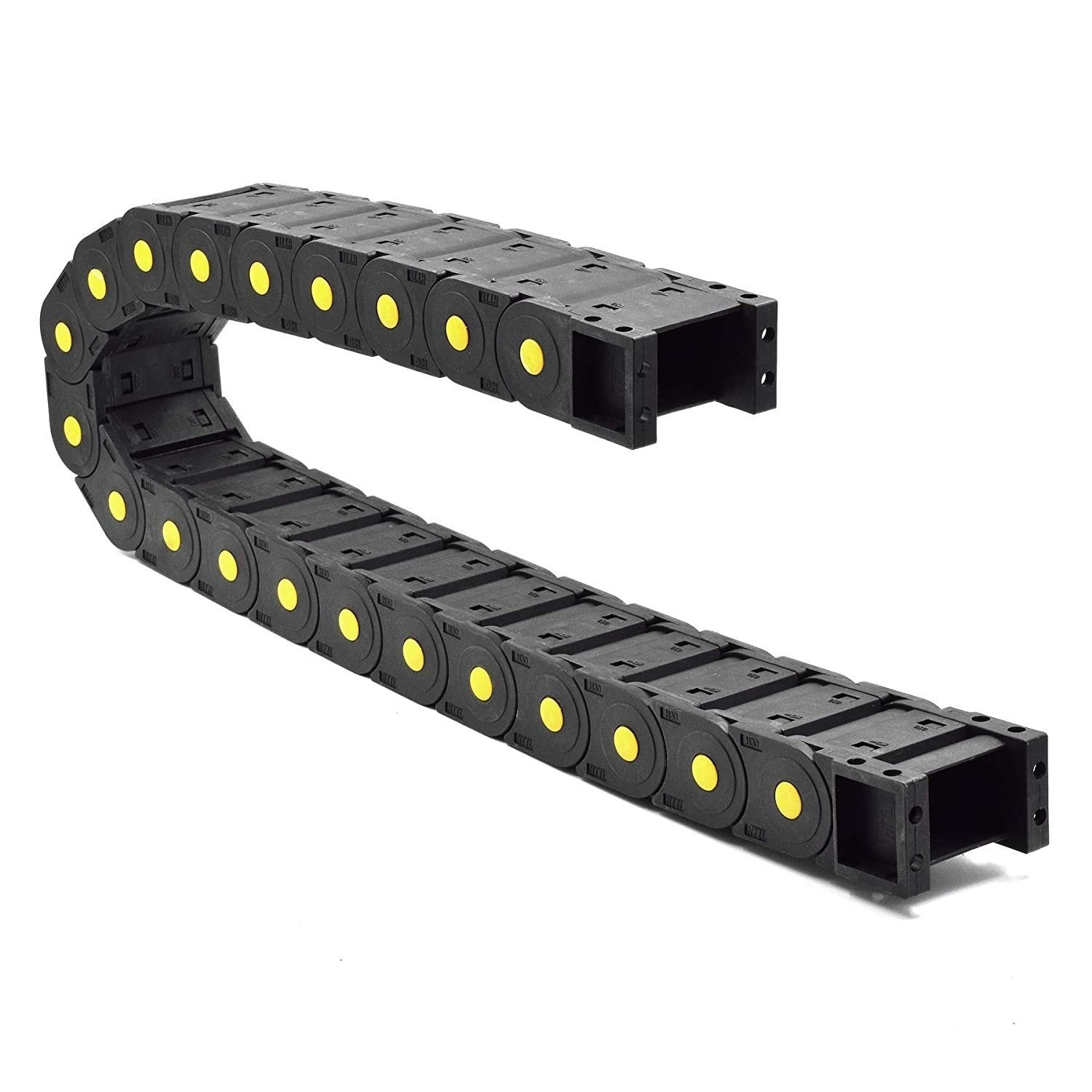
Cable Drag chain systems have become an essential part of many CNC, automation, robotic, and industrial machines. Their purpose is fairly straightforward: they guide and protect cables, hoses, and electrical lines as machine components move repeatedly.
Without proper cable management, moving cables can rub against machine structures, develop excessive bends, or become exposed to mechanical damage. Over time, this may lead to avoidable downtime and replacement costs.
In Hyderabad’s industrial ecosystem, where machining centres and automated production systems are widely used, selecting the correct drag chain has become more than a simple component purchase. The chain needs to match cable diameter, bend radius, travel distance, speed, mounting configuration, and operating conditions.
A Plastic cable Drag chain can be suitable for applications where lightweight construction, smooth movement, and resistance to certain operating conditions are required. However, the material should always be selected according to the machine environment.
Why does this matter? A drag chain that looks suitable externally may still be unsuitable if its internal dimensions or bending radius do not accommodate the cable bundle correctly.
Kalavijay Engineering provides engineered machine-protection components for industrial applications. Procurement teams can benefit from sharing complete machine details before selecting a drag chain, helping ensure that the final solution supports both cable protection and reliable movement.